
How science helps temperature-controlled packaging protect food during direct-to-consumer shipping
August 19, 2026
When ordering direct-to-consumer; whether it’s a frozen meal, specialty seafood or another temperature-sensitive food product; one of the most important questions the consumer will ask is, “did it arrive in the right condition?”
For the food company shipping that order, helping ensure that food gets delivered in the right condition and on time is more complicated than simply grabbing an insulated box and adding dry ice. Packaging decisions affect shipping costs, transit times and, ultimately, the customer experience. Use too little insulation, you put product quality at risk. Use too much, shipping costs may increase.
Finding the right balance is the key. It’s one of the biggest challenges in temperature-controlled direct-to-consumer fulfillment, and it becomes more difficult as businesses expand into new markets, introduce new products or ship through changing weather conditions.
At Lineage, we don't approach that challenge through assumptions or cookie-cutter packaging templates. We use real-world testing, data and more than 15 years of direct-to-consumer fulfillment experience to develop packaging strategies that are tailored to each customer's products and shipping requirements.
Why there isn't a universal way to ship temperature-sensitive food
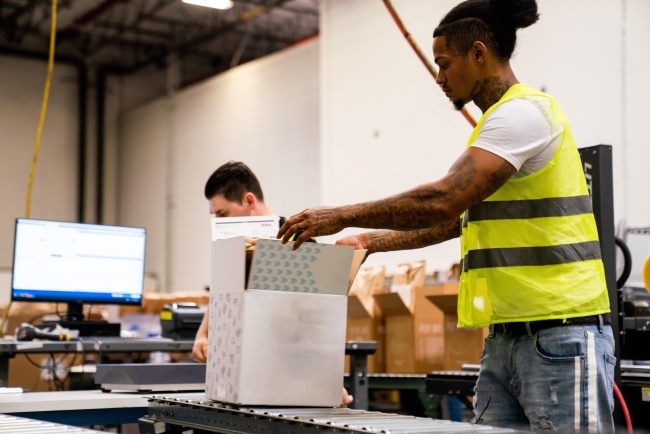 If every frozen or refrigerated product behaved the same way, temperature-controlled fulfillment would be straightforward. Every shipment could use the same packaging, the same insulation and the same delivery timeline.
But food products just don't work that way.
Different products retain temperature differently. Shipping a box of frozen steaks isn't the same as shipping prepared meals, seafood or frozen desserts. Outside temperatures fluctuate, carriers follow different transportation routes and delivery windows vary depending on where a customer lives.
Those variables affect how long a shipment stays within its required temperature range, which means packaging decisions can have a direct impact on both product quality and shipping costs.
Because of that, Lineage evaluates each fulfillment program individually instead of assuming one packaging configuration will work for every customer or every product.
Using science to design the right packaging before the first shipment
Before a customer's first direct-to-consumer order is fulfilled, Lineage uses thermal testing to better understand how their products are likely to perform during shipment. Rather than relying on standard packaging configurations or assumptions based on similar products, our team builds a recommended packaging solution and tests it under simulated shipping conditions.
Using a controlled heat chamber, temperature sensors and real packaging materials, we recreate the conditions products may experience throughout their journey. Different combinations of insulation, refrigerants and packaging configurations are evaluated while temperatures are monitored over time. This allows the team to understand how each solution performs before products enter the fulfillment network.
The goal isn't to build the package that stays cold the longest. It's to identify the packaging configuration that provides the right level of thermal protection for the customer's products while limiting unnecessary packaging costs. The same testing process has also helped Lineage collaborate with packaging partners to develop and independently validate new thermal packaging solutions that can provide customers with additional flexibility when designing their direct-to-consumer fulfillment programs.
Better packaging isn't just about colder shipments
The best packaging solution isn't always the one with the most insulation or the most refrigerant. Sometimes additional thermal performance creates flexibility rather than simply keeping products colder.
For example, a packaging configuration that maintains safe temperatures longer may allow for an additional day of transit. In other situations, that same performance can allow Lineage to reduce the amount of coolant packaging required while still meeting the customer's shipping requirements. Either approach can help reduce costs without compromising product quality.
It's a practical example of how data can improve both the customer experience and operational efficiency.
Temperature-controlled packaging is only one part of successful fulfillment
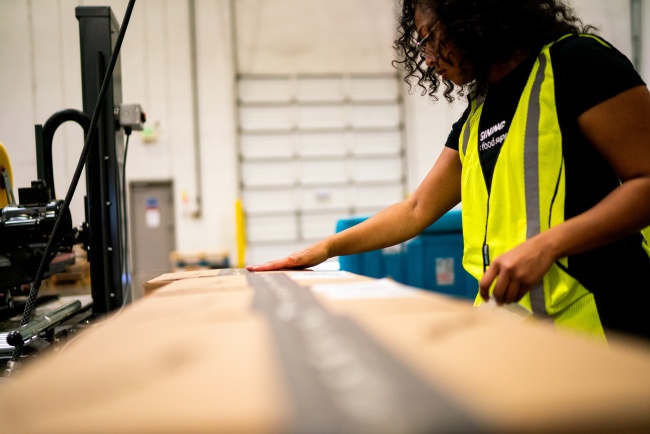 Even the best packaging can't overcome poor fulfillment execution.
Temperature-controlled direct-to-consumer fulfillment also depends on accurate order picking, inventory management, parcel carrier coordination and operational processes that keep products moving efficiently from warehouse to doorstep.
That's why every Lineage direct-to-consumer customer—whether they're launching their first ecommerce program or fulfilling thousands of orders each day—works with a dedicated account manager. From onboarding and systems integration to packaging recommendations and ongoing performance reviews, customers have a single point of contact who understands their business and helps them adapt as products, demand and fulfillment needs change.
As businesses grow, fulfillment often becomes just one part of a much larger supply chain. Lineage can connect direct-to-consumer fulfillment with its broader network of cold storage warehousing, transportation and integrated logistics solutions. This gives customers the flexibility to position inventory closer to consumers, manage seasonal demand, support imports and streamline operations through a connected cold chain. Rather than coordinating multiple providers, customers can scale with a network designed to support every stage of their growth.
Packaging designed for confidence
Temperature-controlled packaging isn't simply about choosing an insulated box or adding dry ice. It's about understanding how products behave, how shipping conditions change and how packaging decisions influence both product protection and shipping costs.
By combining science-backed packaging design, real-world testing and more than a decade of direct-to-consumer fulfillment experience, Lineage helps food companies build fulfillment programs that are designed for their products, their customers and their long-term growth.