How can you reduce handoffs in your food supply chain?
October 07, 2026
Moving food from production to its final destination takes a lot of coordination.
A product may need to be processed, moved into cold storage, picked up again, transported to another facility and eventually distributed to a retailer, restaurant or consumer. Each step is essential but when every step takes place with a different provider or at a different location, those moves can start to add up.
For food companies, the question isn't how to eliminate every handoff. Some are simply part of the journey. The better question is: how can we make those handoffs more efficient?
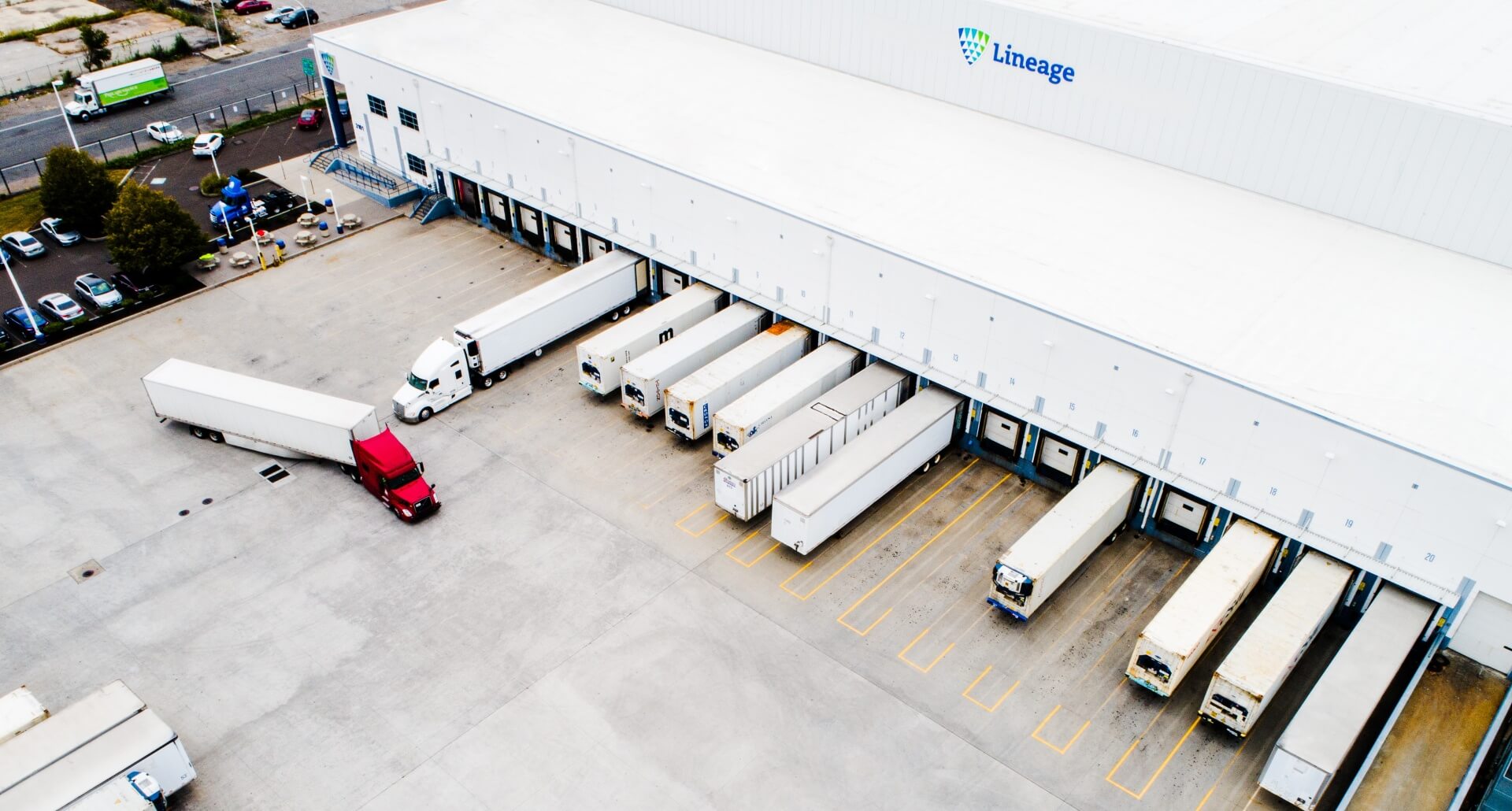
Bringing food processing, cold storage, refrigerated transportation and food distribution closer together can simplify that journey. Instead of managing each service separately, an integrated supply chain can keep more of the work within one connected network.
Too many disconnected handoffs add complexity to the food supply chain
When processing and storage take place at separate facilities, product leaves one location and needs transportation to the next. The receiving facility needs to know what is coming and when. Appointments need to line up. Inventory needs to be tracked between locations. Then another provider may need to coordinate the next leg.
None of those steps are unusual on their own. The complexity comes from repeating them across the food supply chain.
The same issue can show up between cold storage and transportation. When separate companies manage each service, the food company may find itself coordinating between them: sharing information with both sides, scheduling pickups, checking shipment statuses and figuring out who to contact when something changes.

Connecting food processing with cold storage can eliminate unnecessary moves
Food processing can be one of the clearest places to remove unnecessary moves.
Consider a product that needs a processing step before it goes into storage. In a fragmented model, product may be sent to a processor, loaded onto another truck after processing and moved to a separate cold storage warehouse before it's ready for distribution.
When processing is available at or alongside the cold storage facility, some of those extra movements may no longer be necessary.
Lineage can support food processing services, like product processing, tempering, repacking, product boxing and select inspection services within our cold chain network. The exact capabilities vary by facility, but the goal is the same: connect the work a product needs with the storage and distribution that come next.
Integrating these steps can remove one to three transportation legs that would otherwise be needed to move product between separate providers. That means fewer times loading and unloading product, fewer transfers to coordinate and a shorter path toward outbound distribution.

Connecting cold storage with refrigerated transportation simplifies coordination
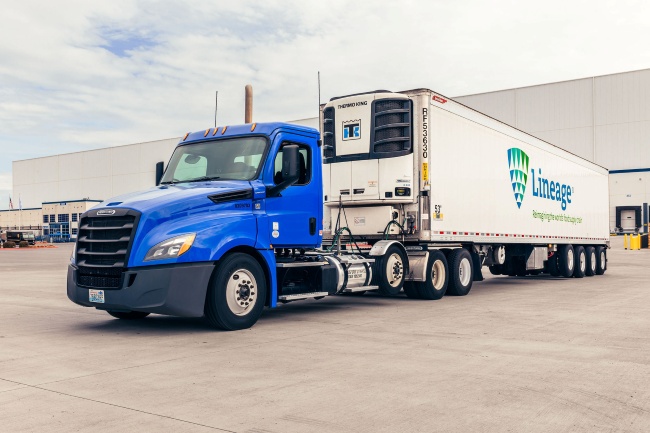
Eventually, that inventory still has to move. Connecting refrigerated transportation with cold storage doesn't eliminate transportation, but it can eliminate some of the work required to manage it.
When the warehouse and transportation provider are separate, the food company often becomes the link between them. Someone has to coordinate the pickup, communicate changes, follow up on disruptions and make sure all sides have the information they need.
An integrated logistics model changes that relationship. When Lineage manages both warehousing and transportation, those teams can coordinate within the same network rather than relying on the food company to carry information from one provider to another.
Lineage’s managed transportation services can extend that coordination further by supporting carrier sourcing, routing, shipment execution, exception management and transportation planning.
Integrated food distribution keeps products connected through the final stages
 Reducing handoffs doesn't stop when inventory leaves the cold storage facility.
Food distribution can take products in very different directions depending on what is required. A shipment might move by full truckload to a retail distribution center. Another may need less-than-truckload transportation. Products could move through foodservice redistribution or multivendor consolidation. Some brands may even fulfill individual orders directly to consumers.
Those paths don't all require the same solution, which is why an end-to-end supply chain isn't necessarily one straight line or a one-size-fits-all approach. It's about connecting the right services around the way a particular product needs to move.
A direct-to-consumer operation is a good example. Inventory first has to reach the fulfillment center, but those facilities also need space for picking, packing and temperature-controlled packaging. Rather than filling that space with reserve inventory, additional product may be stored at a nearby cold storage warehouse and replenished as needed.
Inbound transportation, cold storage and fulfillment can therefore operate as connected parts of the same distribution strategy instead of three unrelated services.
Fewer handoffs mean fewer transfers, providers and points of coordination
An integrated supply chain does not mean putting every product through every Lineage service. It means looking across the journey and finding places where connections make sense.
For one company, that could mean processing and storing product at the same facility. For another, it could mean connecting cold storage with managed refrigerated transportation. Another may need storage, transportation and fulfillment working together.
The value comes from reducing fragmentation.
Fewer unnecessary transfers can mean fewer transportation legs to plan. Fewer providers can mean fewer calls when plans change. Connecting inventory and transportation can make it easier to understand where products are and what needs to happen next.
And when an issue does come up, there are fewer boundaries to work across before someone can address it.
A more connected food supply chain keeps more of the journey within one network
Food companies will always need processing, storage, transportation and distribution. Those steps aren't the problem, but the gaps between them can be.
That's why reducing handoffs starts with looking beyond each individual service. Where is product being moved simply because the next service happens somewhere else? Where are teams spending time coordinating between providers? Where could two or three separate steps happen within the same network?
Lineage has the ability to help you bring food processing, cold storage, refrigerated transportation and food distribution together across an integrated cold chain. Connecting those capabilities reduces unnecessary transfers and makes it easier to manage the journey from one stage to the next.
The food supply chain may be complex. Managing it doesn’t have to be.