
Is automated cold storage right for your business? Five questions to help you decide
November 23, 2026
Your warehouse may have enough room for your inventory, but can it keep up with how often that inventory moves, the size of your customers’ orders and the seasonal rushes before a busy season?
Automated cold storage can be a strong fit for food businesses with frequent pallet movements or substantial picking needs. Company size alone doesn’t determine whether it makes sense. The more useful questions concern the work your products require and whether a facility is equipped to handle it.
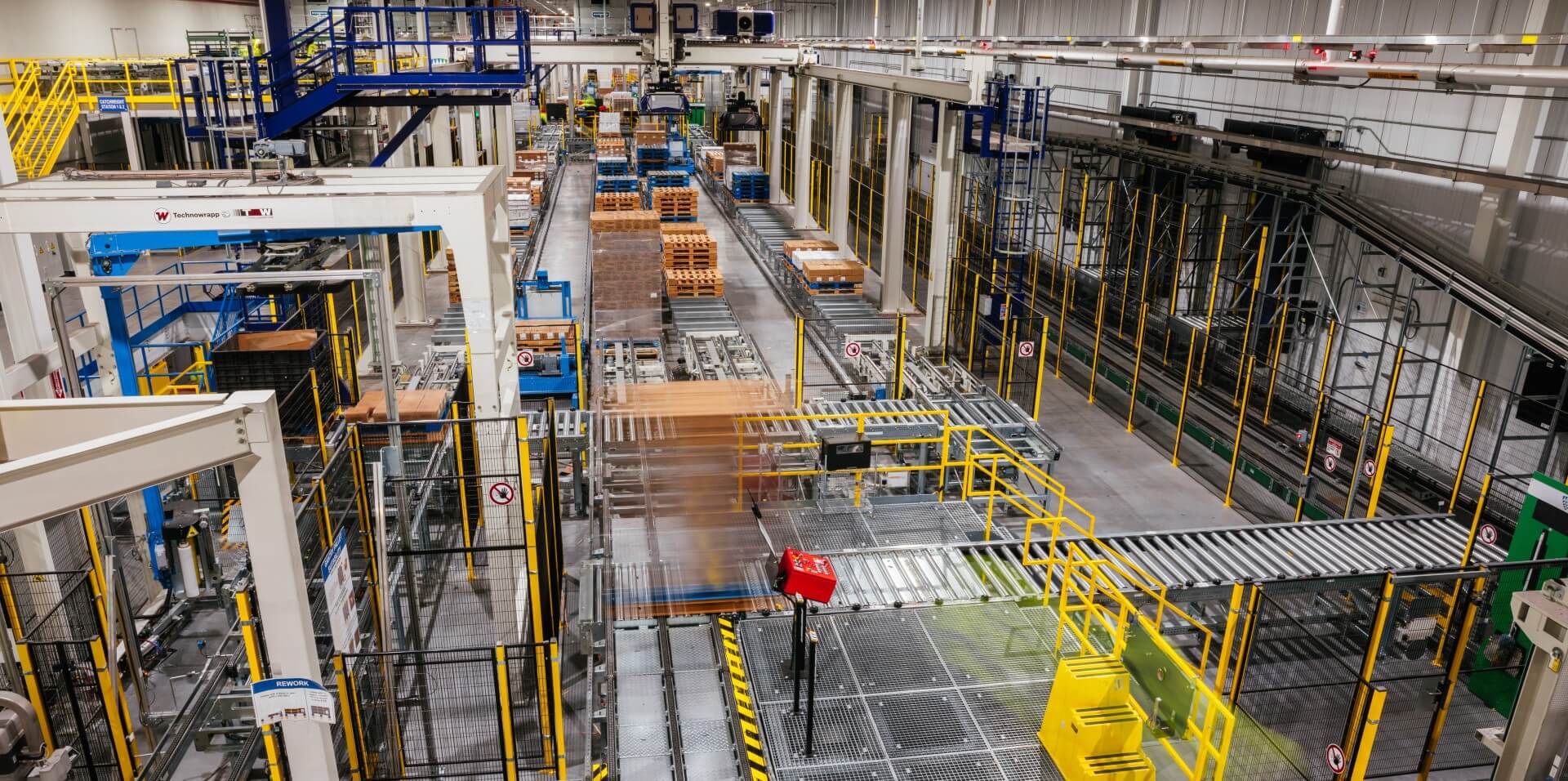
At the center of an automated cold warehouse is an automated storage and retrieval system, or AS/RS. Cranes or shuttles place pallets into temperature-controlled storage and retrieve them when needed. Beyond that, automated facilities differ in their picking equipment, dock layouts and the additional services provided.
Select an area to highlight it. Details update below.
Frequent full-pallet movement
Keep pace with inventory that moves often
When inventory moves frequently in full pallets, automated storage and connected handling can support repeated movements between receiving, storage and shipping.
Explore each capability
Receiving
Match inbound handling to how products arrive and the volume your operation needs to receive.
At select locations, Lineage Eye uses cameras and computer vision to capture pallet label and packaging information during receiving.
At select locations, automated truck unloading (ATU) supports inbound transfers from nearby production plants. This capability requires compatible equipment and suitable volumes.
Automated storage and retrieval
Cranes or shuttles move pallets into and out of temperature-controlled storage to support frequent inventory movement.
Connected pallet handling
Conveyors and other equipment connect storage with receiving and outbound areas, depending on the facility’s configuration.
Outbound loading
Connect retrieved pallets with the staging and loading activities needed to prepare outbound shipments.
Select an area to highlight it. Details update below.
Full pallets, layers and cases
Prepare the quantities your customers need
Your customers may order full pallets, complete layers or individual cases. The facility’s picking capabilities need to support that mix, combining automated handling and manual picking where appropriate.
Explore each capability
Full-pallet handling
Retrieve complete pallets from automated cold storage for orders that do not require additional picking.
Automated layer picking
Move complete layers of cases between pallets to prepare suitable order quantities without picking each case individually.
Individual case picking
Team members prepare smaller quantities when orders require fewer cases than a complete layer.
Outbound preparation
Bring prepared pallets and picked quantities toward the outbound area for shipment preparation.
The illustration shows alternative handling routes. Your order mix determines which capabilities are needed; products do not pass through every picking area.
Select an area to highlight it. Details update below.
Export staging and inspection
Make room for the work your exports require
Export requirements can involve additional staging space and inspection support. Automated facilities designed for these activities connect pallet storage with the dock space and handling capabilities the work requires.
Explore each capability
Automated cold storage
Hold products in temperature-controlled storage supported by automated pallet movement.
Pallet retrieval
Bring selected pallets out of storage for inspection support, other handling activities or outbound preparation.
Staging and inspection support
Use designated dock space to position products for inspection and related handling at applicable facilities.
Shipment preparation
Connect export handling requirements with the space and activities needed to prepare products for loading.
Staging space and inspection-support capacity vary by facility. The right fit depends on your export volumes and service requirements.
Illustrative configurations. Receiving and outbound loading are shown along the same dock side. Numbers identify areas and capabilities, not a required sequence. Equipment, workflows and services vary by facility.
1. Does your inventory move often enough to benefit from automation?
Inventory turnover helps explain how much handling your products need.
Frequent movement gives automated storage and retrieval systems more work to support. Picking activity matters, too: preparing many orders from stored inventory can involve considerable handling even if the total storage footprint is relatively small.
That’s why automated warehousing isn’t only for large companies. A smaller business with frequent inventory movement or substantial picking requirements may be a good fit. For slower-moving products with little additional handling, conventional cold storage may be more suitable.
2. Do your customers order full pallets, layers or individual cases?
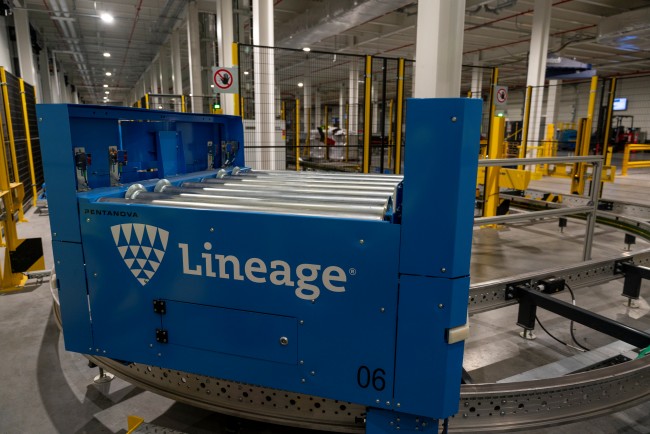 Your order mix can also help determine which warehouse capabilities you need.
A manufacturer shipping full pallets to distribution centers needs efficient pallet storage and retrieval. A business supplying several products in smaller quantities may also need layer picking or individual-case picking.
These activities work differently:
- Full-pallet handling moves a complete pallet without additional picking.
- Automated layer picking transfers complete layers of cases between pallets.
- Individual-case picking prepares smaller quantities, often with team members performing the work.
An automated warehouse can combine these approaches. Products don’t need to pass through every picking area, and every task doesn’t need to be automated. The facility just needs to support the quantities your customers actually order.
3. Can the warehouse handle your busiest periods?
Average volumes don’t always tell the full story. Holidays and busy periods can often become a point of disruption during the year, if your facility isn’t set up to handle it. If orders jump before a holiday or during a seasonal promotion, that peak needs to be part of the warehouse discussion from the start.
It helps to distinguish storage capacity from throughput. Storage capacity is how much inventory a warehouse can hold. Throughput is how much product it can receive, move, pick or ship within a given period. Available pallet space doesn’t, by itself, establish whether a facility can prepare your busiest day’s orders.
Lineage evaluates peak requirements against the capabilities of the proposed facility. Automated warehouses have defined operating capacities; when a customer’s seasonal pattern is better suited to a conventional location, that may be the stronger choice.
4. What needs to happen before your products can ship?
Storage and picking may be only part of the job. Your products might also need labeling, blast freezing, mixed-pallet preparation or staging for inspection.
Those requirements influence facility fit. For example, an export operation may need substantial dock space to stage products for inspection. A warehouse designed around domestic distribution and a narrower dock may not accommodate that same activity at the required volume.
Select Lineage automated facilities support additional services, but availability depends on equipment, layout and operating requirements. Describe the full workflow early, even the activities that only happen occasionally.
5. Does the location work for your wider supply chain?
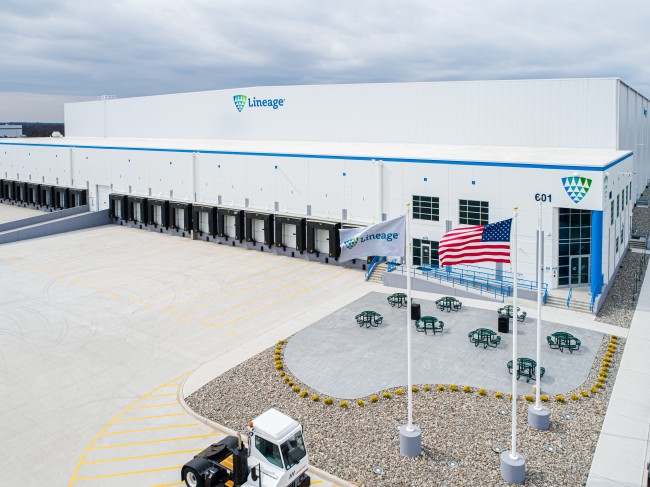 A warehouse also needs to make sense in relation to your production sites and customers. Where products come from, where they go next and how they travel should all be a part of the decision.
For some businesses, that means supporting frequent transfers from a nearby production plant. For others, it means positioning inventory for retail distribution or connecting storage with export shipments.
Evaluating those connections alongside automated handling helps keep the decision focused on the whole operation. Lineage’s storage, transportation and supply chain engineering teams can help assess how the pieces fit together. With automated facilities in cities like New Jersey, Houston, Chicago in the U.S; Peterborough, Rotterdam and Copenhagen in Europe; and Laverton and Auckland in Asia-Pacific, Lineage's network is built to support customers across the globe.
Choose automated warehousing around the work your products require
The best starting point is a clear picture of your operation: how often inventory turns, which quantities customers order, when volumes peak and what must happen before shipment.
Those details help identify where automation can add value and which facility can best support the work. The result should be a warehouse solution that fits your products, your customers and the demands of your busiest periods.
