6 things every U.S. food exporter needs to keep in mind when shipping to global markets
December 03, 2025
Exporting food from the U.S. isn’t a single transaction—it’s a complex sequence of decisions that all depend on one another. What you’re shipping determines how it’s inspected. When it’s inspected determines when it can be frozen. When it’s frozen determines when it can move. And every one of those steps is tied to vessel availability, documentation accuracy and port conditions that can shift with little notice.
For U.S. food exporters, the biggest risk often isn’t demand; it’s disruption. Missed cutoffs, rejected paperwork, equipment shortages and last-minute schedule changes can quickly turn a profitable shipment into an expensive problem. Exporters who stay ahead know the order of operations and have a partner who can help manage each step, not just one part of the journey.
Here’s the step-by-step process every food exporter in the U.S. should be thinking about and how Lineage supports each stage.
1. Start with freight planning before the product ever leaves the facility
 Pain point: Vessel space disappears quickly, equipment can be scarce and blank sailings, when a scheduled vessel voyage is canceled, can derail timelines without warning.
Before a container ever hits the dock, exporters need a freight plan built around real vessel availability, not assumptions. That means knowing which carriers are running, what equipment is available and how far in advance cutoffs are shifting.
This is where services like freight forwarding become the anchor of the export process. Lineage supports export businesses by coordinating ocean bookings, reefer requirements and sailing schedules upfront so exporters can make informed decisions around production and staging before the product is even palletized.
2. Build documentation correctly before anything moves
Pain point: One missing document or small mismatch can trigger rejections at the foreign port.
Export success depends on paperwork lining up perfectly. Commercial invoices, packing lists, health certificates and export filings all have to match. Not just internally, but across carriers, ports and receiving authorities.
Lineage’s freight forwarding team manages the export documentation process from the start. That includes preparing and submitting the shipper’s export declaration, securing the Internal Transaction Number (ITN), working with the facilities through the USDA inspection process and aligning documentation before cargo is released to the carrier.
3. Stabilize temperature before inspections and container loading
Pain point: Products that aren’t staged or frozen correctly can fail inspection or lose quality before they ever leave the dock.
Different commodities require different temperature handling before export. Meat, seafood, dairy and frozen foods all have specific temperature and inspection expectations that must be met before a container can be sealed.
Lineage’s blast freezing and cold storage network gives exporters a controlled environment to pull product down to the right temperature, hold it during inspections and stage it for container loading without exposing it to dock delays or temperature breaks.
4. Control the handoff between warehouse and port
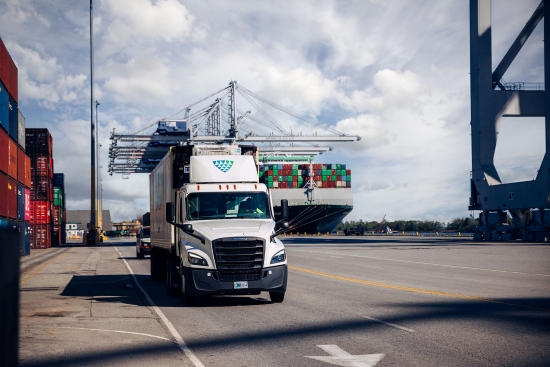 Pain point: Export timelines often break down in the short haul between storage and terminal.
The most fragile stretch of an export move is usually the shortest one: the trip from cold storage to the port. Equipment issues, congestion, missed cutoffs and reefer delays often surface here.
Lineage’s drayage teams coordinate reefer container pickup, delivery and terminal return near the ports they serve. Because Lineage’s drayage, warehousing and freight forwarding teams work together, exporters can avoid blind handoffs and gain flexibility when schedules change at the last minute.
5. Keep cargo close to the port when schedules shift
Pain point: Canceled sailings and port congestion can leave export cargo stuck with no clear next move.
When schedules fall apart at the port, exporters are often left scrambling. A vessel misses its window, a cutoff changes overnight or a sailing is pulled altogether. Without cold storage nearby, product can sit in limbo, burning time, risking temperature stability and driving up short-haul transportation costs.
Lineage’s convenient, port-centric warehousing gives exporters the ability to pull containers back off the terminal, hold product under temperature control and reset for the next available sailing without having to start the entire export process over.
6. Stay informed as containers move through the port
Pain point: Exporters often lose clarity once product leaves the facility.
Once cargo enters the export flow, it’s easy for information to scatter. Schedules change, containers get rolled to later sailings, documents are updated and terminals adjust cutoffs with little notice. This is especially true when exporters are relying on multiple providers for the different export services. When updates live in too many places, exporters can struggle to tell what’s confirmed, what’s delayed and what still needs action.
With a centralized customer portal, exporters gain visibility into key milestones once product moves through Lineage-operated steps, including warehouse intake, drayage scheduling and terminal delivery. Behind the scenes, the freight forwarding team continues managing vessel bookings, documentation readiness and schedule changes while exporters maintain a clear, current view of where their shipment stands and what comes next.
The difference between reacting and staying ready in global trade
Tariff shifts, equipment imbalances, geopolitical disruptions and port congestion are becoming the new norm for food exporters in the U.S. Exporters that treat these challenges as one-off surprises tend to stay reactive, forcing themselves to play from behind and impacting their supply chain. The exporters who stay competitive are the ones who understand the process and stay nimble in the face of disruptions. The key is to work with a partner that can manage each step, not just pieces of it.
Lineage doesn’t just move and store containers. It connects freight planning, cold storage, inspections, documentation, drayage and port operations into a single plan built for exporting food.