Spotlight on Lineage in Australia: A cold storage network built for global connections
April 23, 2026
Australia is a country defined by great distance - between its cities, between regions within Australia, and between the nation and global markets. It’s also a country that relies heavily on imports and exports, including connecting Australian food producers to markets across the globe. Compared to other food-exporting markets, products from Australia have to move further distances and timelines are much tighter – which means when something shifts, supply chains have to adjust quickly.
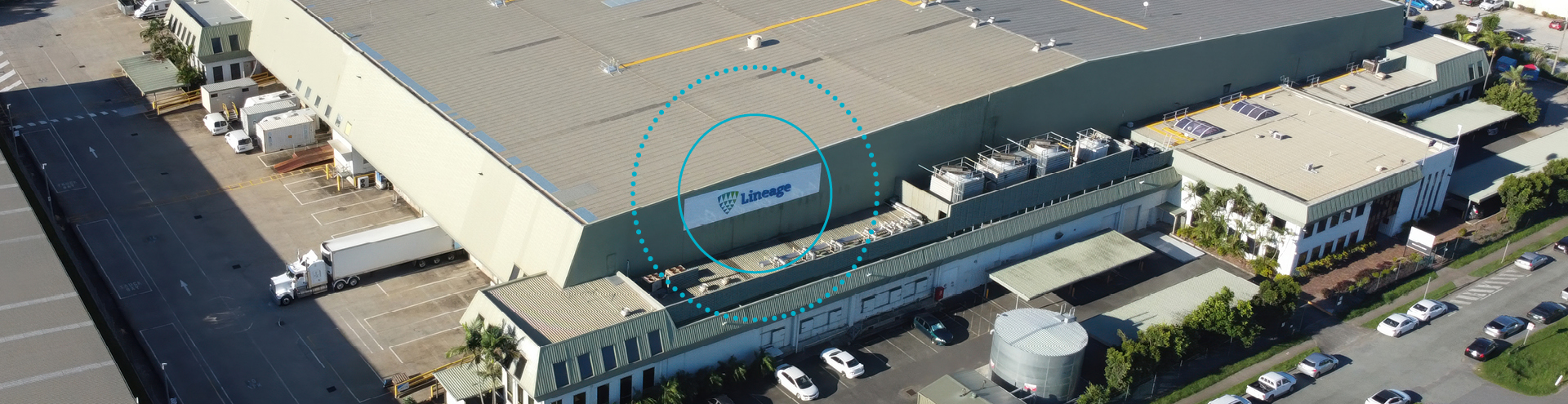
Across Australia, Lineage has built a network designed to meet those realities head-on. With more than 20 warehouses strategically positioned near major ports, highways and rail access, the focus expands beyond storage into how we can help products move efficiently, reliably and with fewer points of friction.
A national cold chain network built to move
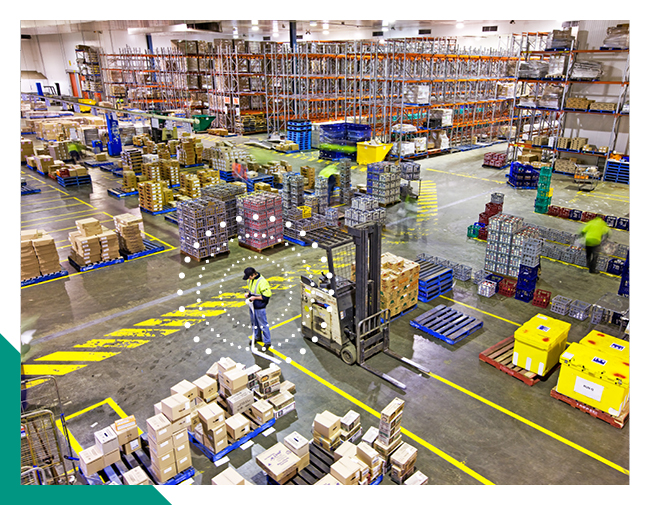 Lineage’s footprint focuses on scale and strategic locations, connecting major food-producing regions with high-traffic ports and large population centres. Warehouses are positioned with access to the country’s primary freight routes, including the Hume, Pacific, Western, Eyre and Stuart highways, and within reach of major ports like Melbourne, Botany, Brisbane, Fremantle and Adelaide.
That port-centric positioning helps put food producers and shippers in the right place to help reduce unnecessary handling, shorten transit times, and keep product moving.
Across the network, that adds up to:
- 20+ facilities
- More than 500,000 pallet positions
- Over 3.9 million square metres of space
Flexibility and adaptability in the face of uncertainty
The supply chain is anything but predictable. Weather events, shifting demand, port congestion and regulatory changes are constant factors in overall strategies and often dictate how products move. When things change, flexibility and adaptability matters.
Across Australia, Lineage supports that flexibility through a multi-modal network that connects warehousing, transport and handling services into a single system.
That includes:
- Metro, regional and linehaul transport
- Wharf cartage and port support
- LTL and FTL shipping
- Velocities multivendor consolidation
Instead of relying on disconnected, third-party providers, Lineage customers can coordinate movement, storage and distribution through one network of integrated supply chain solutions. This helps reduce delays and improve response times when plans need to shift.
Integrated solutions support the full cold chain
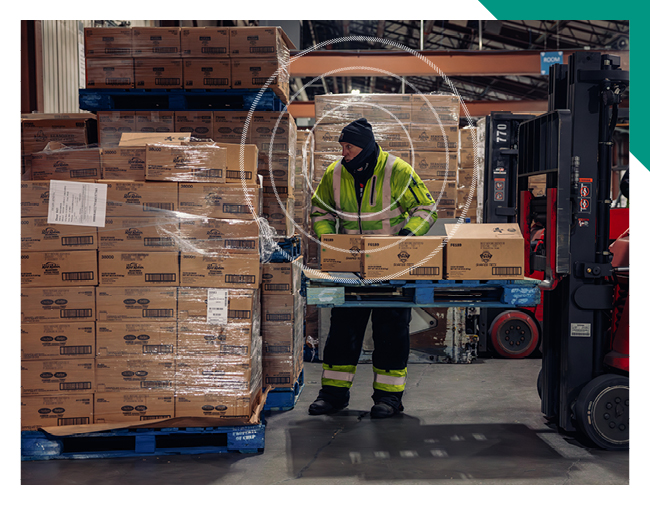 When it comes to getting food from production to destination, it takes more than space and transportation. It’s all about having the right capabilities at the right points in the journey.
Across its Australian facilities, Lineage supports a wide range of value-added services designed to meet customers where they are, to help keep products moving while maintaining the highest standards of quality and compliance.
For customers, that means fewer handoffs, fewer delays and more control over how product is handled at each stage.
These value-added solutions include:
- Blast freezing and temperature-controlled storage
- Container destuffing and cross-docking
- Retail distribution and handling
- Date coding, de-boxing and repacking
- Automated labelling
Learn how Lineage connects your Australian supply chain with global markets
A closer look at key regions
While the national network is connected, each region plays a specific role in supporting Australia’s cold chain.
Victoria
Victoria is home to Australia’s largest container and general cargo port, the Port of Melbourne, where more than one-third of the country’s container trade is handled.
With more than 295,000 pallet positions in port-centric warehouses, Lineage’s Victoria facilities support high-volume import and export activity. Blast freezing services help protect product quality, while services like export preparation, customs documentation support, container plug-in and reefer services help reduce time spent traveling from port to warehouse.
Queensland
In Queensland, proximity is the advantage. Lineage's facilities sit within 20 kilometers of the Port of Brisbane and along major highway corridors, helping products move quickly between the port, warehouse and final destination.
Combined with blast freezing capabilities and multivendor consolidation, Lineage’s Queensland facilities help keep product flowing without unnecessary delays.
New South Wales
Lineage’s New South Wales facilities are positioned along the M5 and M7 motorways, with direct access to nearby ports. That location helps streamline product movement both inland and outbound, reducing congestion and improving coordination across shipments.
For customers navigating some of the nation’s busiest logistics conditions, that connectivity helps simplify planning.
Western Australia
Lineage’s strategically located facilities in Western Australia help bridge the gap for one of Australia’s more remote trade corridors, helping connect production regions to export markets.
With over 41,000 pallet positions and services for import and export logistics, Lineage’s Western Australia warehouses hold to the same goal: keep product moving with consistency and control.
South Australia
In South Australia, connectivity is built into the network design. Lineage’s facilities sit within 30 minutes of both port and rail access, helping reduce friction between transportation modes and keep goods moving efficiently.
With 32,000 pallet positions, Department of Agriculture, Fisheries and Forestry (DAFF) certified import and export capabilities and additional services like blast freezing, cold treatment for exported produce, LTL shipping and container plug-in support, Lineage’s South Australia network provides flexibility across both domestic and export operations.
Build a more connected cold chain in Australia
Whether you’re managing domestic distribution or preparing product for export, having the right network in place can make all the difference.
Lineage has built that network by bringing together warehousing, transportation and handling across Australia to help reduce friction, improve coordination and keep product moving.