The cold supply chain behind your holiday feast
Article by Sudarsan Thattai, former Lineage Chief Information Officer
December 04, 2025
Before you set your oven timer, take a beat to marvel at the often-overlooked supply chain that moves turkeys, hams, sides, and more to millions of tables.
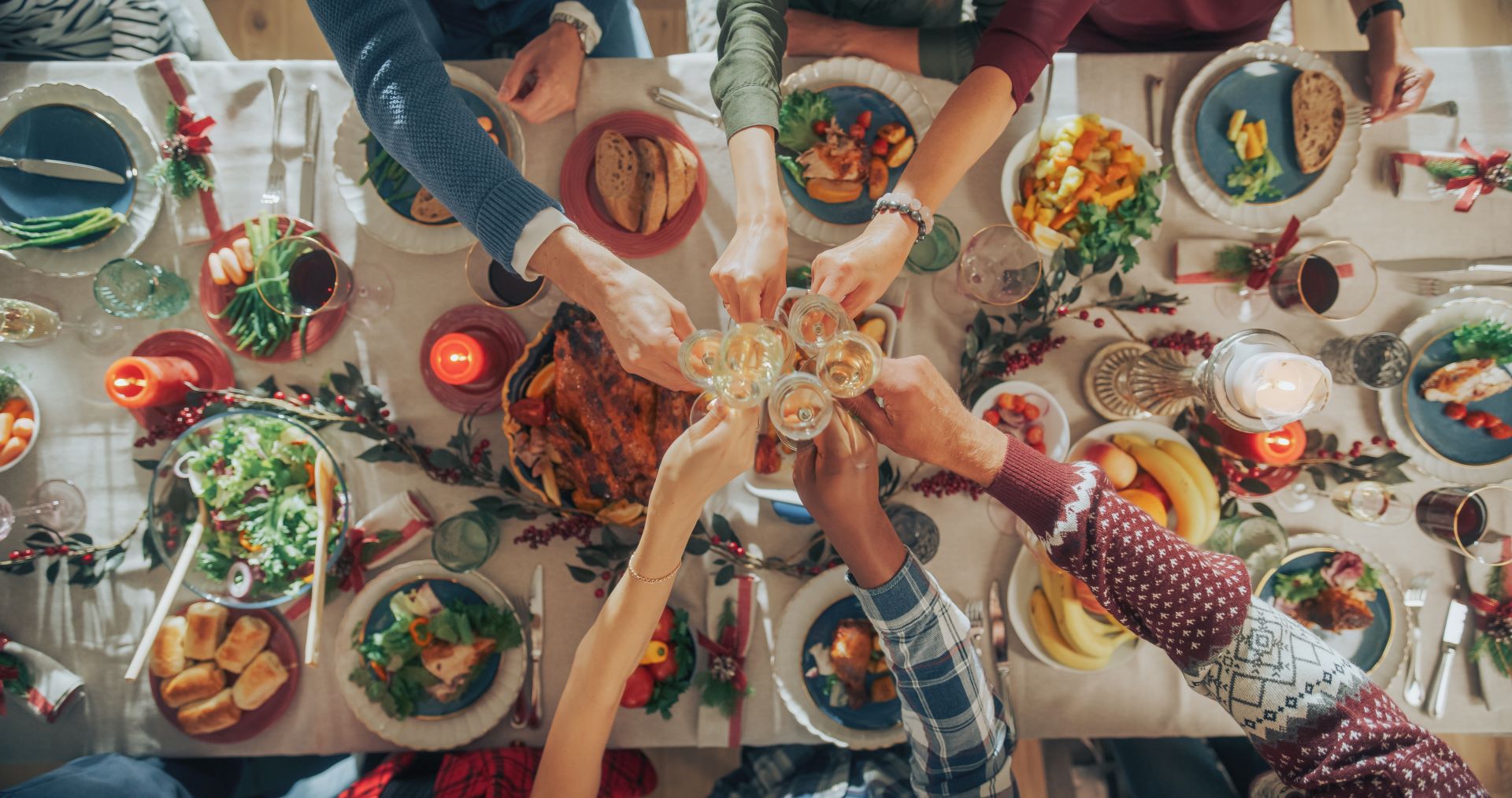
The weeks leading up to Thanksgiving and Christmas are unlike any other period in the food supply chain. When you picture a Thanksgiving meal you probably imagine a whole turkey, and when you think Christmas dinner it’s likely a whole ham. Amongst, of course, other seasonal sides like sausages, brussels sprouts, and potatoes, that make the meal complete.
The idealized holiday meal sparks massive demand for these products–think over five times more than during other parts of the year. In parallel, french fries, packaged goods for lunches, and other items frequently consumed at schools or restaurants see declines during this same time.
Retailers and their logistics partners begin preparing months in advance to meet holiday consumer demand, with seasonal inventories of holiday turkeys, for example, built over approximately eight months. Birds are frozen coming off production lines, stored in warehouses, and then begin de-frosting in approximately September. The birds’ journey continues to regional hubs, then local distribution centers of retailers as they get ready for the holiday rush.
Transportation networks are simultaneously tuned for speed and reliability with teams monitoring weather forecasts, scanning the landscape for potential risks, and rerouting shipments to avoid delays. On top of triaging the day-to-day logistics chaos of getting products from point A to point Z, smart producers have strategically located their product in cold storage hubs near major population centers, shaving critical hours off delivery times.
Although you’re probably (rightly) focused on your own race to put on the perfect holiday feast, it’s worth remembering that before you ever set foot in the grocery store, there was a relay race of epic proportions to make your meal possible.
The technology backbone
While the race to the holidays isn’t a new one for the food industry, it has changed dramatically thanks to innovation. Today, the logistics professionals hustling to meet the needs of the holiday rush are powered by technology, data, and automation that was a figment of our imagination only a few short years ago.
Digital platforms bring together information from orders, weather forecasts, production schedules, and transportation updates to create real-time visibility as well as the ability to make smarter decisions as products flow through the supply chain.
Further, AI-driven forecasting tools help teams anticipate surges, letting operators take control to determine how much inventory to build, where to position it, and how to staff operations.
These systems enable supply chains to respond far more nimbly to holiday seasonality. Ribs fly off the shelves for the summer grilling season, but not so much at Christmastime. Turkey defines Thanksgiving, but not the Fourth of July.
At Lineage, proprietary algorithms like Phoebe classify commodities across warehouses—allowing us to see macro trends and commodity dynamics as well as predict seasonal trends, identify demand spikes, and more. Further, computer visioning captures product data instantly, and decision-automation tools like Sybil are designed to determine the most efficient storage location—fast-moving items near docks, slower movers deeper in the facility. All these innovations help us get products onto the road quickly and seamlessly and off to your local grocery store—helping our customers keep your favorite products stocked when and where you want them.
Other advanced technologies can be found throughout cold chain warehousing and transportation. Modern blast freeze systems are able to flash-freeze meat and allow it to remain fresh in storage for months using similar methodologies as are used to design rockets and Formula 1 cars. The blast freezing process is particularly important to the modern holiday season because it allows millions of pounds of holiday turkeys, hams, and other products harvested throughout the year to remain fresh in cold storage before coming out for the big show in November and December. It’s pretty cool (pun intended) to realize just how much innovation, planning, and activity goes on behind the scenes to make that perfect turkey roast possible.
When it’s time for product to move, these systems tie in historical patterns and data on live customer orders to inform and update staging plans and vehicle routing in real time. All while factoring in labor availability, truck schedules, and energy efficiency to coordinate the flow of goods with minimal waste.
This orchestration means that even during peak holiday season chaos, every cranberry sauce and pumpkin pie is in the right place at the right moment. And by the way, the logistics industry is running this race every day—not just for the holidays. It’s literally what we do.
Why it matters
During the holidays, the cold chain isn’t just moving goods—it’s connecting us to our traditions and to each other. Without it, many of our most cherished holiday traditions could not happen as they do today. Imagine a Lent without fish, a Labor Day without a cookout, or even a regular Taco Tuesday with no tacos. Food is at the center of so many of these important moments.
Understanding this, it’s important that we recognize the role supply chain technology is increasingly playing in our modern food system. These new technologies aren’t replacing the human element behind our supply chains—they are amplifying it. Advancements in our logistics tech stack are enabling planners, drivers, and warehouse teams to respond faster, solve problems earlier, and keep promises made to millions of households.
When the carving knife meets the main course and the sides are steaming on the table, most of us don’t think about the refrigerated trucks, warehouse slotting algorithms, dynamic routing, or the dedicated professionals that made it possible. But behind the scenes, the cold chain hums—quietly providing that everything you need to serve the perfect holiday meal reaches your shopping cart fresh, safe, and right on time… so Uncle Jerry doesn’t get hangry or start talking politics.