Continuity across the U.S.–Canada border starts with one connected network
April 30, 2026
Moving product across the U.S.–Canada border comes with complexity. Shifting regulations, capacity constraints and compressing timelines are all factors of international logistics. And when warehouse storage and transportation services are managed by separate providers, those challenges can multiply.
At Lineage, we take a different approach.
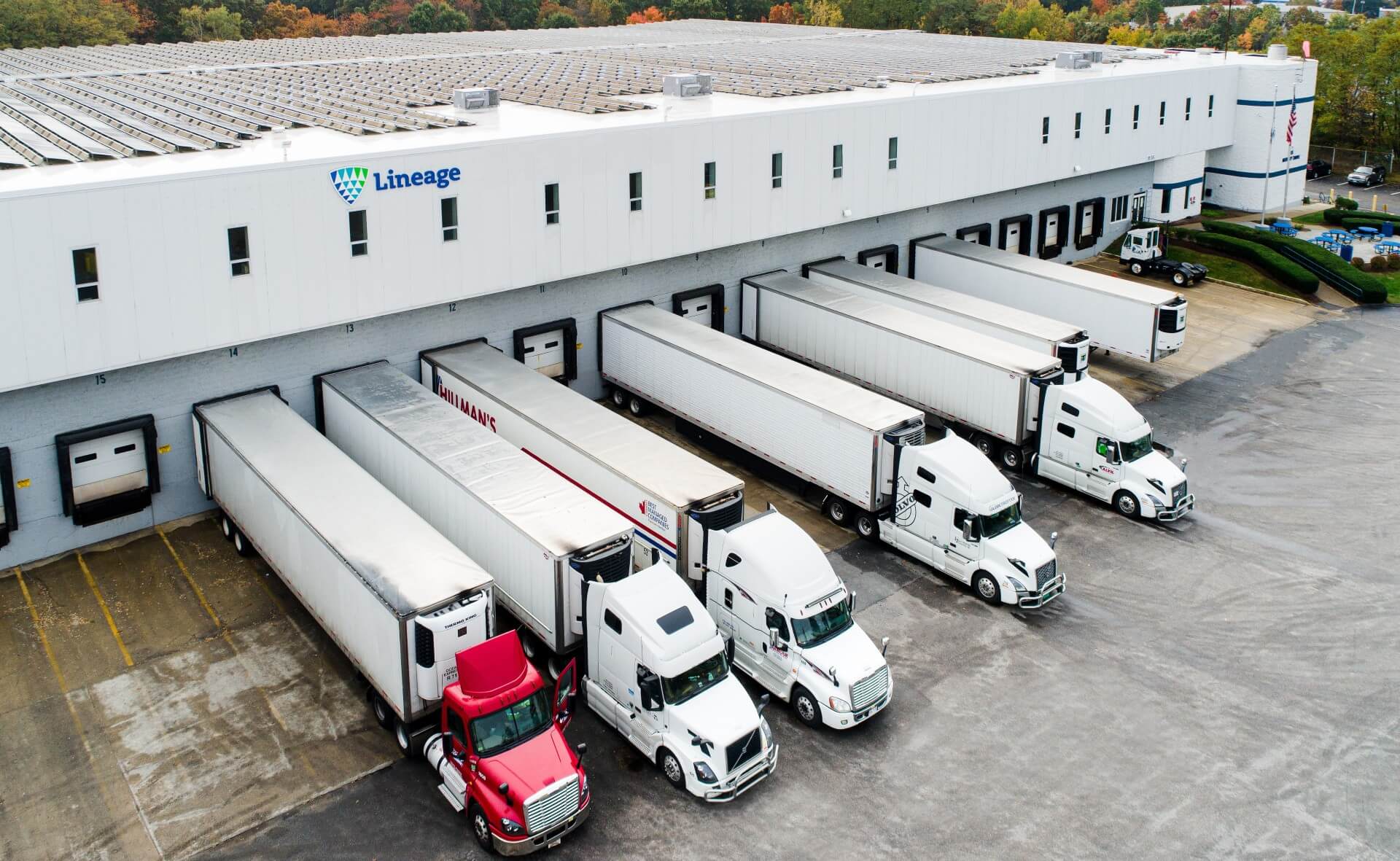
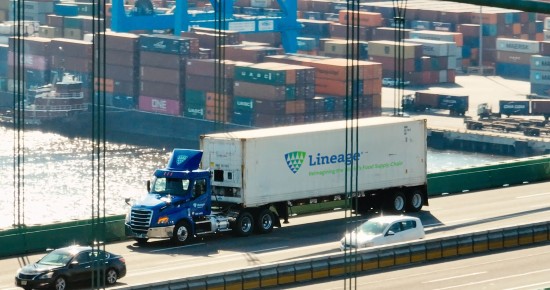
Our North American footprint is built to provide continuity on both sides of the border, helping customers manage international moves through a single, connected provider. With the largest temperature-controlled warehouse network across the U.S. and Canada, combined with the Velocities multivendor consolidation program, LTL (Less Than Truckload) transportation and truckload services, we help keep product moving without the unnecessary handoffs or delays.
One team. One system. Fewer gaps in your supply chain
 Cross-border logistics requires more than transportation. It requires coordination across compliance, documentation and execution.
That’s why our import and export excellence teams work across services, bringing together expertise in:
- Freight forwarding and NVOCC (Non-Vessel Operating Common Carrier) services
- Customs brokerage and compliance
- Bonded warehousing and transportation
Instead of managing multiple touchpoints with multiple partners, customers work with a single team that understands the full picture of their supply chain. That often translates to quicker decision making, fewer delays and more confidence that your products are handled correctly every step of the way.
Using data to position inventory where it performs best
Moving product efficiently isn’t just about execution. It’s about planning. That’s why we use data to help our customers make smarter decisions about where their inventory should be stored and what are the best ways to move it.
With our supply chain engineering services we can analyze data from past shipments, supplier and retailer locations, transportation rates and their facility networks to identify opportunities to help improve product flow and reduce friction along the way.
In one case, a U.S.-based importer and exporter came to us to address capacity constraints and bottlenecks. Through network modeling, we identified opportunities for them to expand into four distribution centers along with using new ports of discharge. By repositioning their inventory closer to the destinations, the customer was able to unlock transportation efficiencies and improve the overall flow across their supply chain, translating to $2 million in annual savings.
Building resilience into the network from the ground up
Resilience isn’t something we add later. It’s something we think about early, especially when we’re evaluating or building facilities.
When we look at new sites, we’re not just thinking about location and capacity. We’re looking at things like flood risk, water availability and how that facility is going to hold up over time. For new warehouse builds, that carries into the design itself. How the building is constructed, how it handles weather, how it performs long term. All of this adds up to a more resilient cold chain.
When disruptions happen, response time matters
No supply chain runs perfectly all the time. Weather, port disruptions and geopolitical shifts all play a part in the world of logistics. The key is how quickly you can respond and how many options you have when you do.
Because our network and transportation teams are connected, we’re not starting from scratch when something shifts. We already know where capacity is and we already have teams in place to act.
We recently saw that with a specialty grocer getting ready to open its first U.S. location when a major storm knocked out power. Product was at risk, timelines were tight and there wasn’t much room for error. Our team acted fast, moving more than 10 truckloads into Lineage facilities to help prevent $350k in product loss and keep their store opening on track.
Another example was when a seafood importer was dealing with port strikes. Instead of waiting for things to clear up, our teams worked across the network and with carriers to reroute and reposition their inventory. In total, 72 containers carrying about $10 million in product were kept moving and protected.
That kind of response doesn’t come from one facility or one team. It comes from having a connected network built to respond.
A more connected way to manage cross-border logistics
International logistics is complicated. There’s no getting around that. What we’ve found is that most of the frustration doesn’t come from the complexity itself. It comes from how disconnected services and teams can be. Different providers, different systems, different handoffs; a fragmented supply chain isn’t built to respond quickly.
At Lineage, we try to take some of that friction out. Our warehousing, transportation and trade services are built to work together, so customers aren’t stuck stitching it all together on their own.
The result is a supply chain that’s easier to manage day to day. You can move fast when something changes, and you have a clearer picture of what’s happening from origin through to final delivery.