Freight forwarding: simplifying global shipping from start to finish
Lineage Services Spotlight
May 07, 2026
The global movement of food involves a high level of complexity, especially for temperature-sensitive products like perishable foods where precision in degrees can make all the difference in ensuring quality. Importing and exporting food products involves a long list of freight coordination and carrier schedules, documentation and compliance, temperature requirements and more, paired with geopolitical uncertainty and ever-shifting policy and regulation today.
For companies moving food across borders, the stakes are high, and any breakdown in the process can be costly. That’s where freight forwarding comes in.
As a freight forwarder, Lineage simplifies international freight with seamless coordination and expertise at each stage of the process, offering end-to-end support from origin to final destination. As supply chain complexities grow, choosing the right freight forwarding partner can make all the difference.
By integrating freight forwarding with customs brokerage, drayage, cold storage and more, Lineage brings all the critical pieces together to help keep food safe, compliant and moving, so companies can stay focused on core operations, knowing their supply chains are in good hands.
What is freight forwarding?
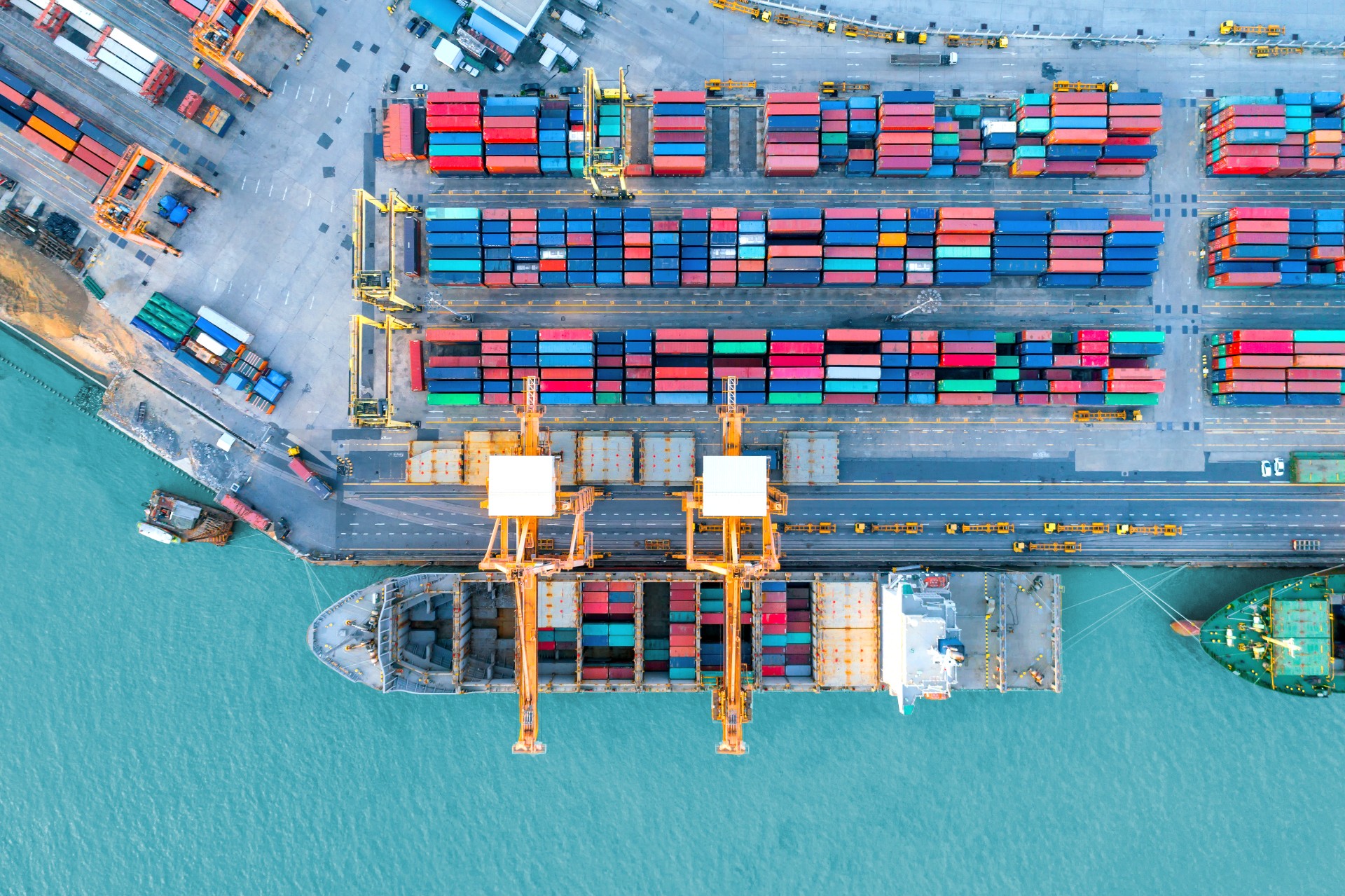
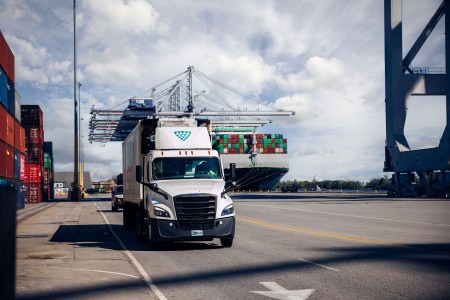 Simply put, freight forwarding organizes and oversees the movement of goods across borders. Freight forwarders are critical pieces of global supply chains, not only acting as transporters but as coordinators of international shipments. Their work involves managing shipments from origin to destination across multiple modes – ocean, air, rail and truck – and handling cargo space, storage, customs, compliance and documentation at every checkpoint, all while helping ensure visibility into each stage of the process along the way.
What does a freight forwarder do?
- Books cargo space, helping ensure shipments are scheduled on the most efficient and cost-effective routes.
- Coordinates transportation via ocean, air, rail or truck.
- Manages documentation and compliance.
- Partners with customs brokers to prepare filings and help shipments clear borders without unnecessary delays.
- Provides visibility and communication, keeping all parties informed and enabling faster responses to issues that may arise.
How does freight forwarding work?
Freight forwarders manage every step in the process, including:
- Origin pick-up and consolidation
- Collecting goods from suppliers and combining them to optimize space, cost and transport efficiency.
- Documentation and export preparation
- Preparing export documentation and helping ensure regulatory requirements are met before the shipment leaves the country of origin.
- International transport
- Selecting the most efficient routes and modes to move goods across borders.
- Customs clearance
- Coordinating filings, working with customs brokers and helping shipments move through borders to prevent delays.
- Final delivery
- Coordinating final transportation to help goods reach their destination safely and on schedule.
Delays and risks often stem from disconnected or fragmented freight solutions. This shows up in supply chains that use multiple vendors to handle different steps in their product journey. When communication gaps appear, handoffs can break down and systems fall out of sync. This is where end-to-end coordination and visibility matters most.
Why freight forwarding matters for cold chain logistics
Products that are not frozen correctly can fail inspection or lose quality before they ever leave the dock. Meat and poultry imports can’t move into the United States until USDA inspections have been cleared. One missing document or small mismatch at customs can trigger rejections at the foreign port for exports. Canceled vessel voyages can derail timelines at the last minute. And temperature-controlled food products risk spoilage when any delay hits.
When every import or export shipment has a shelf life, every step in the cold chain needs to move in sync. Lineage’s freight forwarding team manages all the moving pieces so you don’t have to. This service is just one piece of a complex puzzle, but Lineage’s Global Integrated Solutions model brings the rest of the pieces together under one roof, enabling seamless communication and real-time adaptability for supply chains of all shapes and sizes.
When timelines are at risk, integrated solutions like drayage and port-centric warehousing can identify the risks before they become problems. They can quickly activate, moving incoming containers to a nearby cold storage facility to avoid lapses in temperature control and enable the quick unloading, inspection and transportation of temperature-controlled products.
When it comes to customs clearance and inspections, Lineage’s in-house customs brokerage team monitors for policy changes and looks at every detail long before the shipment lands at the port. Our network of 42 USDA I-Houses in the U.S. connects the inspection process to a temperature-controlled environment.
Tools like Lineage Link® also give customers real-time visibility into their supply chains, with live status updates, proactive issue resolution and access to key documents all in one place, so they can rest assured their products stay moving.
How to choose a freight forwarder
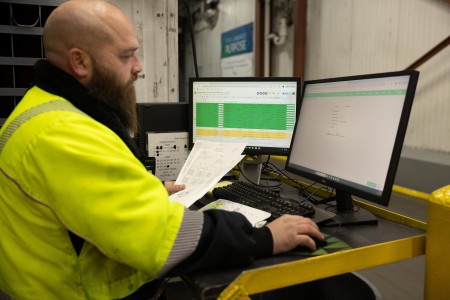 Choosing a freight forwarder isn’t just about selecting any vendor; it’s about avoiding risk and setting yourself up for success.
In today’s increasingly complex operating environment, enabling more resilient supply chains should be top of mind for every company. This requires planning that starts before your product ever leaves the port.
Companies need a freight forwarding partner that offers end-to-end visibility into active carriers, equipment availability, shifting cutoff timelines and more that can impact delivery. Pair that with the network, scale, industry expertise and integrated solutions needed to pivot and react quickly when disruptions or delays happen.
The advantage of an integrated approach
Fragmented processes can slow down operations, create costly delays and increase risk, ultimately limiting a company’s ability to scale and keep pace with demand. Lineage takes a different approach, with integrated solutions that enable coordination at each stage of the process.
Because the most fragile stretch of an import or export is usually the trip from cold storage to the port, freight forwarding is especially valuable when paired with services like cold storage warehousing, customs brokerage and drayage and inland transport.
When delays at the port occur, Lineage’s drayage, warehousing and freight forwarding teams jump into action, bringing the tailored services your business needs together into one streamlined process and acting as your trusted partner across each piece of the cold chain.
Keep your global supply chain moving with Lineage’s freight forwarding services
Freight forwarding is all about coordination, not just movement. As international logistics grow more complex, having the right partner to help navigate uncertainty is critical to staying competitive. Integrated cold chain solutions represent the future of the supply chain: a future that’s more connected, more efficient and built for resilience.