Bonded drayage: keeping imported goods moving through the cold chain
Lineage Services Spotlight
May 13, 2026
For U.S. importers, timing matters. Releasing cargo too early can mean paying duties and fees before the product is ready to hit the market. However, releasing it too late can create delays and inventory challenges.
For these situations, bonded drayage is the answer.
Bonded drayage allows imported goods to move from ports and rail ramps to bonded facilities while remaining under U.S. Customs and Border Protection (CBP) control. It gives importers more flexibility over when cargo officially enters commerce and when duties and taxes are paid.
For cold chain customers managing frozen protein, imported food products and other regulated commodities, that flexibility makes a major difference.
At Lineage, bonded drayage is part of a broader integrated import strategy that brings together transportation, warehousing and customs expertise across the cold chain.
What is bonded drayage?
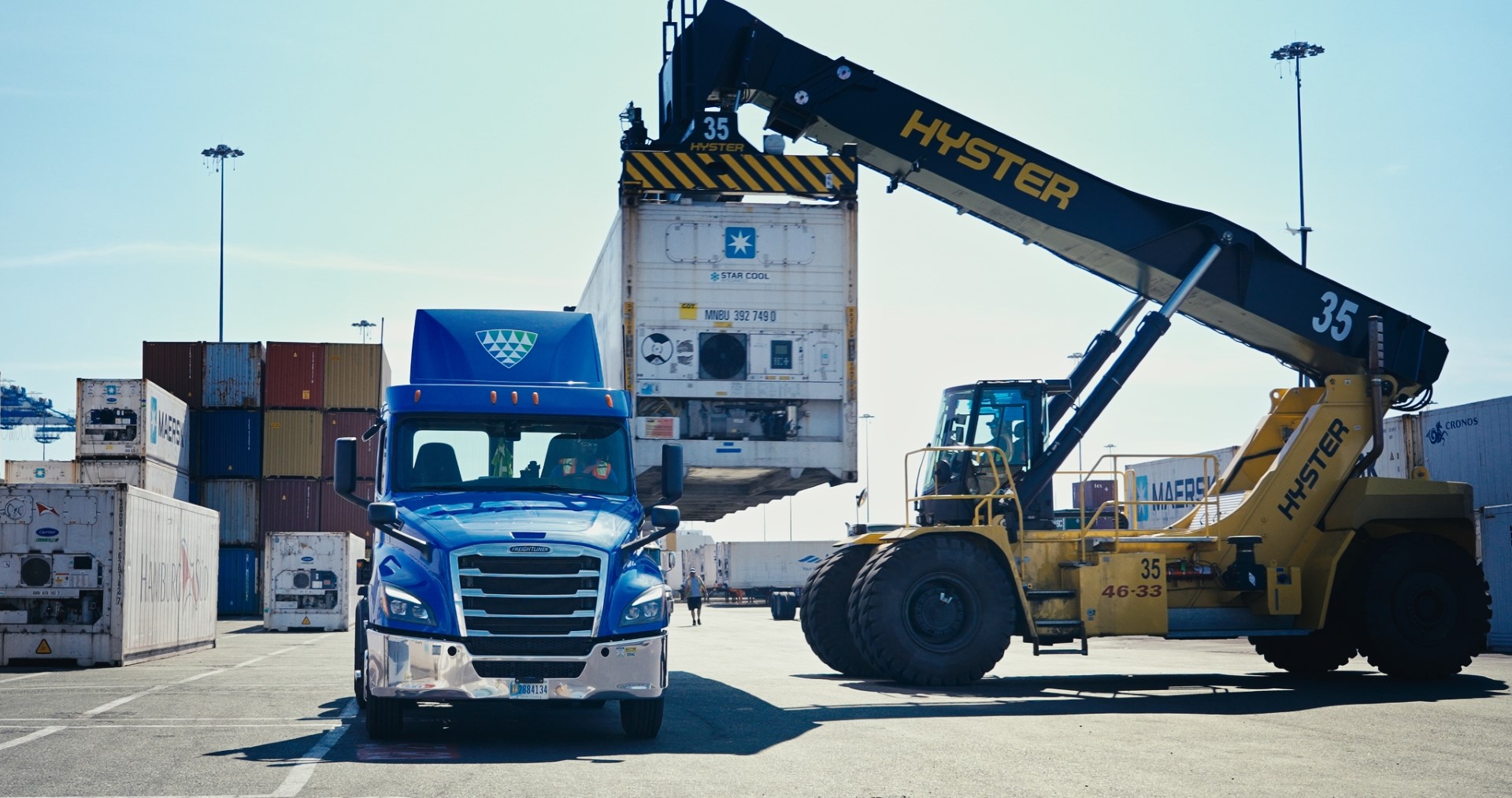
 Bonded drayage is the transportation of imported cargo under customs bond.
It allows goods to move through the supply chain without entering the market. This helps avoid paying upfront duties, taxes and fees before the product is ready to be released. Cargo remains under CBP control while it moves from a port of entry to a bonded warehouse or approved bonded facility. Bonded drayage isn’t always a port-to-warehouse move, it can also include moving product between bonded facilities.
Because the freight is still considered “in bond,” strict procedures apply throughout the shipment. The carriers must be authorized to perform bonded moves, documentation must be accurate, seals must remain intact and the chain of custody cannot be broken.
Not every transportation provider can legally handle bonded freight.
That distinction matters because mistakes can lead to major consequences for both carriers and customers. Bonded drayage is more than simply moving freight between locations. It requires specialized procedures, accurate compliance and teams that understand what goes into moving customs-controlled cargo.
Why importers use bonded drayage
One of the biggest advantages of bonded drayage is flexibility.
Instead of immediately paying duties and tariffs when cargo arrives at the port, importers can move product into bonded storage and wait to release it into commerce later. That helps importers better manage timing, cash flow and changing market conditions.
This is especially valuable for products tied to import quotas or fluctuating tariff environments.
Imported protein is one common example. Certain beef imports can face significant duty rates once annual import quotas are reached. In those situations, importers may use bonded storage to hold product until a new quota period begins before releasing it into commerce.
Other importers use bonded storage more strategically. They may import larger volumes of inventory and gradually release portions over time as product is needed.
That flexibility became even more important during recent tariff uncertainty, when many importers wanted additional time to evaluate changing trade conditions before paying duties on incoming cargo.
Where bonded drayage happens
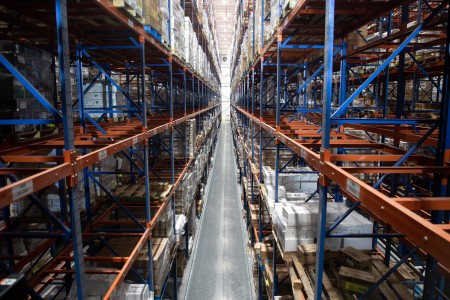 Bonded drayage primarily takes place around ports of entry or between bonded warehouses.
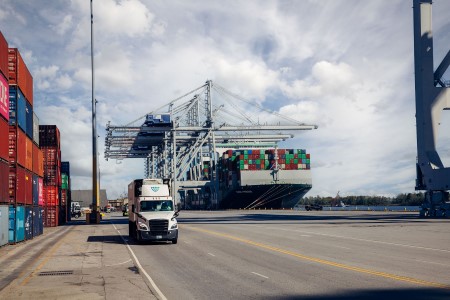
That includes ocean ports, rail ramps and border crossings where imported cargo first enters the country. From there, bonded carriers move shipments directly to approved bonded facilities while maintaining customs control throughout the process.
For cold chain importers, many of these movements happen in major port-centric logistics markets, including:
- Los Angeles/Long Beach
- New York/New Jersey
- Houston
- Savannah
- Miami
- New Orleans
- The Pacific Northwest
Because bonded freight requires approved facilities and specialized transportation procedures, proximity to ports and bonded warehouse infrastructure becomes critical.
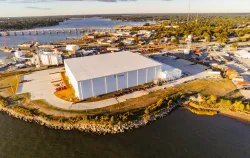
With a global warehousing footprint, including port-centric warehousing and bonded warehousing, and an integrated suite of logistics services, Lineage can support customer moves with bonded drayage at any location on the East, West or Gulf coasts of the United States.
The risks of getting bonded freight wrong
Bonded freight leaves very little room for error.
Documentation must be accurate, shipments must move correctly and everyone involved in the process needs to understand that the cargo is moving under bond.
If something goes wrong, the consequences can escalate quickly.
A shipment that moves incorrectly may trigger fines, penalties or delays. Cargo can be held by customs while issues are investigated and resolved. In serious situations, facilities or carriers can risk losing their bonded status entirely.
Even simple process mistakes can create major problems.
Importers cannot decide halfway through the process that they want a shipment treated as bonded cargo after customs filings have already been submitted another way. Likewise, bonded freight cannot be casually rerouted or handled outside approved procedures.
That’s why communication between customs brokers, drayage teams, warehouse operators and customers is so important. Everyone involved needs to understand exactly how the shipment is supposed to move before cargo leaves the port.
At Lineage, bonded drayage teams are trained to verify documentation, review delivery orders and confirm bonded procedures before shipments move. That attention to detail helps protect both customers and the integrity of the bonded process itself.
How Lineage supports bonded drayage
At Lineage, bonded drayage does not happen in isolation.
Import customers often need customs coordination, drayage transportation and bonded storage all working together at the same time. Managing those moving pieces across multiple providers can quickly create communication gaps and delays.
Lineage supports bonded drayage through a connected network of transportation modes, bonded facilities and import/export expertise across the cold chain.
Drayage teams work closely with customs brokerage and warehouse teams to coordinate bonded movements from port to facility while maintaining compliance requirements throughout the process.
Standardized procedures across the global warehousing network also help create consistency for customers moving cargo through different regions. Whether freight enters through the East Coast, Gulf Coast or West Coast, the operational process remains aligned.
Lineage also maintains transportation equipment across many major port-centric markets, helping support bonded movements near key import gateways.
Importantly, customers do not need to store cargo inside the Lineage network to use Lineage’s bonded drayage services. Shipments can still move to or from non-Lineage bonded facilities when needed.
That flexibility gives importers additional options while still allowing them to work with teams experienced in bonded transportation procedures.
Bonded drayage as part of a connected import strategy
Import logistics are rarely simple.
Between customs requirements, tariff uncertainty, transportation coordination and inventory planning, even routine import shipments can become complicated quickly.
Bonded drayage helps create a compliant path for imported goods to move through the supply chain before entering commerce. But the real value often comes from Lineage’s integrated solutions model. Transportation, warehousing and customs expertise are always working together behind the scenes.
At Lineage, bonded drayage is supported by a broader network of cold chain services designed to help customers move product more efficiently through the import process. With an extensive network of bonded and port-centric warehouses, Lineage supports bonded drayage services across the East, West and Gulf coasts of the United States.
When cargo is moving under customs control, getting the process right matters just as much as getting the product delivered.