5 real-world examples of our team solving common import and export challenges
May 08, 2026
International trade rarely goes exactly as planned. Regulations shift. Documentation gets flagged. Small details can turn into major delays.
That’s where Lineage’s Import and Export Excellence team comes in. This group is supported by the Export Excellence Service Center (EESC), working behind the scenes to help our customers. The team helps navigate import and export complexity, avoid costly mistakes with documentation and keep their product moving.
This relatively new model officially launched in 2024 and is built on years of experience across the Lineage network. Instead of leaving export processes to individual facilities, we centralized that expertise into one dedicated team focused on getting documentation and compliance right the first time.
Here are a few real-world examples of how that support shows up in practice.
1. Turning around a high-volume export operation under pressure
When a newly opened export facility ramped up operations, volume quickly outpaced expectations. With that growth came friction, especially around export documentation. This led to delays, inconsistencies and back-and-forth reviews slowing things down.
That changed when Lineage introduced its Export Excellence Service Center model.
By centralizing documentation and compliance support, the team helped stabilize operations and improve accuracy. Instead of relying on individual sites to manage complex export requirements, a dedicated group of specialists stepped in to handle the process.
Over time, performance became consistent enough that the customer no longer needed to review export documentation themselves. What started as a challenging launch turned into a high-trust partnership built on reliability.
2. Reversing an import refusal just before the deadline
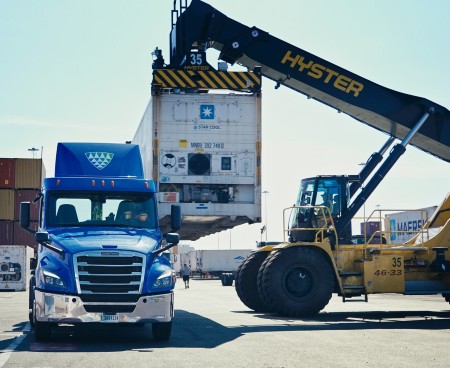 At a U.S. port, multiple import shipments were refused by regulators due to what appeared to be damaged packaging. However, the packaging wasn’t damaged at all. It used intentional micro perforations designed to maintain product quality.
Facing potential product destruction or re-export, and a tight regulatory deadline, the customer needed help fast. That’s when Lineage’s team stepped in.
They worked fast to assess the situation, quickly identifying grounds for an appeal. Since the customer wasn’t familiar with the process, the team drafted and submitted the appeal on their behalf.
Working through the appropriate regulatory channels, the decision was overturned just in time, saving the shipment and avoiding significant losses.
3. Catching a labeling issue before it became a problem
Not every issue shows up at the border. Some are caught before a shipment ever leaves the facility. In one case, a routine documentation review revealed a discrepancy in product labeling for an international shipment.
At that point, nothing had been flagged by regulators. The shipment could have moved forward without issue; at least initially. But the team raised the concern early, giving the customer a chance to correct the issue before it became a compliance problem.
4. Spotting a registration error hidden in plain sight
Export eligibility often comes down to precise details. Down to how a facility is registered with foreign authorities. During a routine verification, the team identified a mismatch between U.S. records and a foreign registration database. The facility address had been entered incorrectly abroad.
Nothing had failed yet. No shipments had been stopped. But it only takes one inspection for a discrepancy like that to cause delays or refusals.
The team flagged the issue early, giving the customer enough time to correct the discrepancy before it could impact their operations.
5. Unlocking a shipment stuck in international customs
 When a shipment was held at its destination overseas, the issue wasn’t immediately clear. Foreign authorities questioned information listed on export documentation and requested official clarification. Without it, the shipment risked refusal.
Lineage’s team knew the requirements and knew where to go for answers. They coordinated directly with the USDA, escalating the issue through the appropriate channels. With support from the agency, the situation was resolved and the shipment was released.
Built for accuracy. Designed to reduce risk.
These situations look different on the surface. Different products, different countries, different challenges. But they all point to the same thing: international logistics isn’t just about moving product. It’s about getting the details right, especially when it comes to documentation, compliance and regulatory requirements.
Lineage’s Import and Export Excellence team was created to handle these hurdles. Backed by the Export Excellence Service Center, they’re focused on the parts of the process that tend to cause the most friction. The work isn’t flashy. It’s reviewing requirements, building documentation, double-checking details and staying close to the process as it moves forward. When something looks off, they catch it. When something gets stuck, they help move it along.
For customers, it shows up in simple ways. With fewer last-minute scrambles, fewer questions about whether something was done correctly and when something does come up, there’s a team that knows how to work through it.